
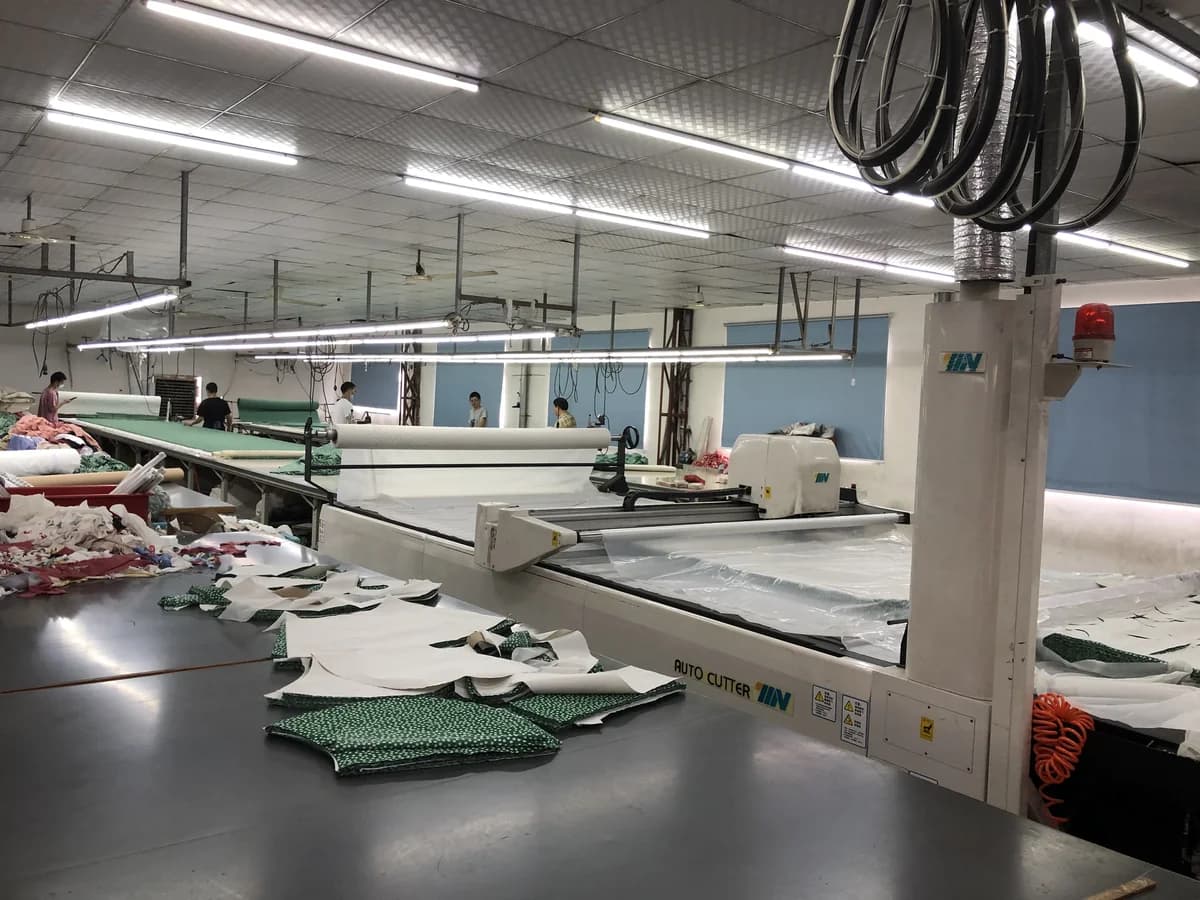
Your designs can be strong, your marketing can be sharp, and your community can be loyal — but if your manufacturer misses, none of it matters. Late deliveries kill drop momentum. Inconsistent quality turns first-time buyers into one-time buyers. The factory you work with shapes your brand more than almost any other decision. Here are the seven things that actually matter when choosing a streetwear manufacturer, based on what we see go right and wrong for brands every week.
1. Real Customization Capability
Some suppliers that call themselves manufacturers are really print shops: they buy blank garments and add your logo. That works for basic merch, but it is not custom streetwear clothing. A real streetwear manufacturer works cut-and-sew from your tech pack — your patterns, your fit, your fabric choices.
Look for proof of the techniques streetwear relies on: screen printing and puff print, embroidery, garment dyeing and washes, custom labels and packaging. Ask for photos or videos of recent production, not a catalog of blanks. If a supplier cannot show you work similar to your designs, they probably cannot make them.
2. Fabric Sourcing and Quality Control
Fabric is where quality is decided. Ask where the factory sources its fabrics, which weights (GSM) it recommends for hoodies or tees, and how it tests for shrinkage and colorfastness. A good clothing manufacturer for brands will offer options at different price points and explain the trade-offs honestly.
Then ask about inspection. Professional factories check fabric when it arrives, inspect during production, and run a final check before packing. If the answer to "how do you control quality?" is vague, expect the quality to be vague too.
3. MOQs That Fit Your Stage
Minimum order quantity should match where your brand is today. A low MOQ clothing manufacturer — typically 60 to 100 pieces per style — lets a startup test designs without betting the entire budget on one drop. Once a style sells, you scale up.
Be suspicious of both extremes. A factory demanding 500+ pieces per color for a first order is ignoring startup reality. A shop offering "no MOQ at all" is usually reselling print-on-demand, at per-unit costs that make healthy margins impossible.
4. The Sampling Process
Never skip sampling. A good workflow looks like this: you send a tech pack, the factory confirms the details, produces a sample in about 3 to 7 days, and sends photos before shipping it. You check fit, stitching, print placement, and hand feel, request revisions if needed, and only then approve bulk production.
Also ask whether the sample fee is credited against your bulk order — most serious factories do this. A manufacturer that pushes you to skip the sample stage to "save time" is saving their time, not yours.
5. Production Timelines and Reliability
Typical bulk production takes 15 to 25 days depending on quantity and complexity. What matters is not the number you are quoted, but whether it is met. Ask for a written timeline with milestones: fabric arrival, production start, inspection, ship date.
Reliable factories are honest about capacity. If every request is "no problem" and every date is "yes", be careful. Streetwear drops live and die by timing — a late delivery means missed marketing windows and disappointed customers.
6. Communication and Transparency
You should be able to hand over your tech pack once and have it understood. Look for an English-speaking account manager, clear response times, and regular photo or video updates during production. Slow or unclear communication before the order only gets worse after it.
It also helps to know who you are actually talking to. Trading companies can add cost and confusion between you and the factory floor. Working directly with a factory — for example Vekkst (Dongguan VEKKST Garment Co., Ltd.), based in Humen Town, Dongguan, Guangdong — means the people answering your questions are the people running your production.
7. Pricing vs Value
The cheapest quote is rarely the cheapest project. Very low prices usually mean thinner fabric, weaker stitching, or skipped inspections — and the real bill arrives later as returns, reprints, refunds, and a damaged reputation.
Compare quotes line by line: fabric weight and composition, print or embroidery method, labels, packaging, inspection, and shipping terms. A fair price from a factory that delivers on time and on spec beats a cheap price from one that does not.
Questions to Ask Before You Commit
- ✓Can you show recent production similar to my designs?
- ✓What is your MOQ per style and per color?
- ✓How long does sampling take, and is the sample fee credited against bulk?
- ✓Which fabrics and GSM do you recommend for my products?
- ✓What is my production timeline — in writing?
- ✓How do you inspect quality during and after production?
- ✓Who is my contact, and how will I receive production updates?
- ✓Are you a factory or a trading company?
The Bottom Line
Choosing a streetwear manufacturer is not about finding the lowest price or the biggest factory. It is about finding a partner whose capabilities, minimums, and communication style match your stage. Work through the seven points above, ask the checklist questions, and always start with a sample.
New to production models? Read our complete OEM clothing manufacturing guide, browse our products to see what we make, and when you are ready, get a free quote — we respond within 24 hours.
Ready to Start Your Streetwear Project?
Get a free quote within 24 hours. No commitment required.