
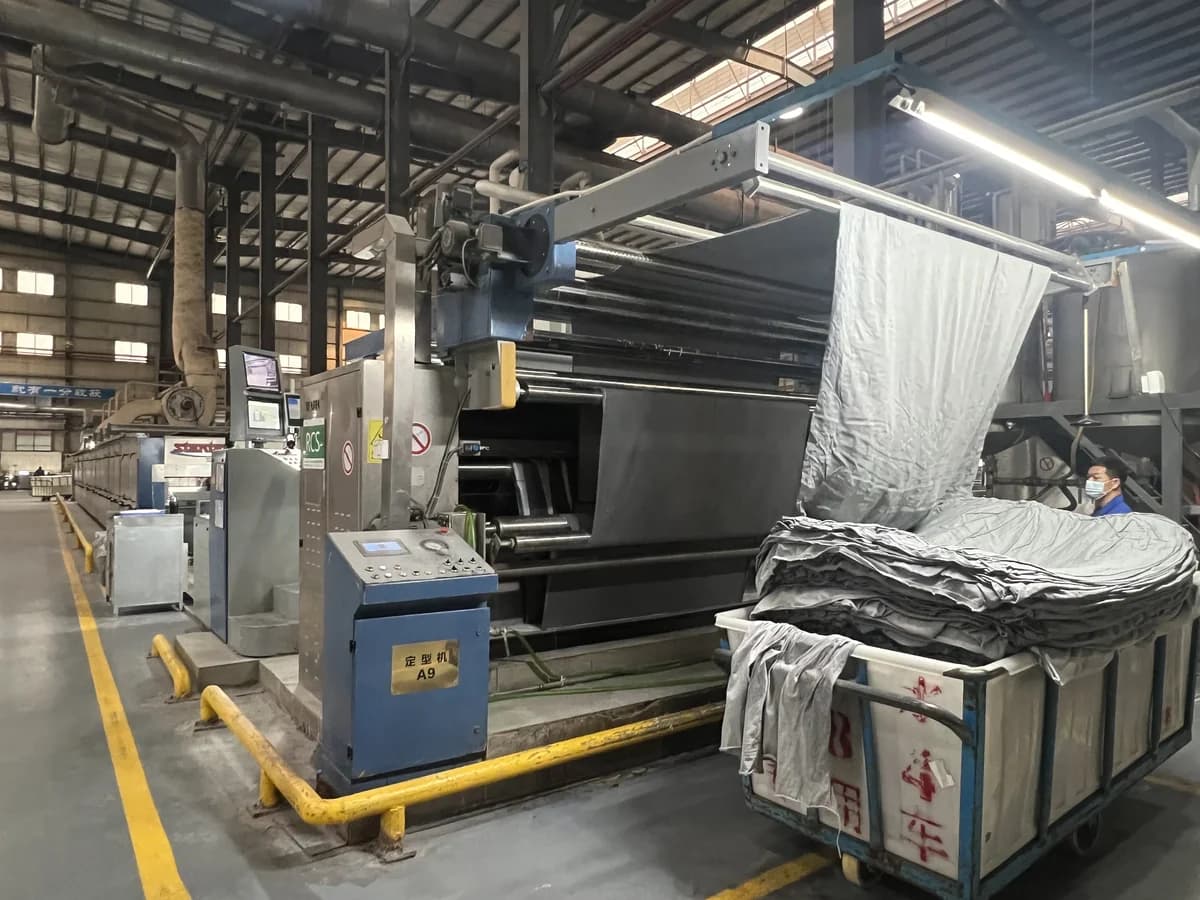
For a startup streetwear brand, low MOQ means 50-100 pieces per style — enough to test a drop without betting your whole budget. The factories that can genuinely offer it are the ones with flexible sampling lines and dedicated small-batch programs. Whatever a supplier promises, verify it with a paid sample before you commit to bulk.
The catch is that low MOQ is one of the most abused phrases in clothing manufacturing. Some suppliers advertise it and deliver print-on-demand quality at retail prices; others are trading companies adding margin and chaos between you and the factory floor. Here is what low MOQ actually means in 2026, why minimums exist, and how to find factories that really work at 50-100 pieces.
1. What "Low MOQ" Really Means in 2026
MOQ — minimum order quantity — is the smallest run a factory will accept for one style. In 2026 the market splits into three tiers. Mass-production factories start at 300-500+ pieces per style and color; their lines are built for volume. Flexible factories with small-batch programs work at 50-100 pieces per style — the sweet spot for startups. Sampling studios go as low as 30 pieces, but at a noticeably higher unit cost, because fixed costs are spread across so few garments.
So be specific about the number you need. Low to a factory serving high-street chains means 300; low for a startup launching its first hoodie means 60-100. Suppliers who ask about your quantity before quoting a minimum are usually the honest ones — they are checking whether their line fits your stage.
2. Why Factories Have MOQs at All
Minimums come from hard costs upstream. Fabric mills sell by the roll, and one roll of custom-dyed fleece covers roughly 80-120 hoodies; ordering below the mill's minimum means surcharges or a full roll dyed for a 30-piece run. Custom ribbing, labels, zips and packaging all carry their own minimums too.
Then there is line setup: pattern work, machine calibration and cutting templates for every new style. On a 500-piece order that cost is divided by 500; on a 50-piece order, by 50. Small batches always cost more per unit — so a factory offering 60 pieces at 600-piece prices is a warning sign, not a bargain.
3. Five Ways to Find Low-MOQ Factories
Typing a number into a marketplace filter is not enough. These five approaches consistently surface factories that genuinely produce small batches:
- 1.Look for dedicated small-batch programs — some factories run a separate startup line at 60-100 pieces per style, with the same fabrics and QC as their bulk work.
- 2.Use sampling studios for a first micro-drop — prototype specialists accept around 30 pieces at a higher unit cost, which is expensive per hoodie but cheap market research.
- 3.Filter for trade-assured verified suppliers on B2B platforms, so your payment stays protected until the goods are confirmed.
- 4.Ask for a video walkthrough of the sewing lines — a real factory shows its cutting tables and stitching lines within days; a trading company sends showroom photos and excuses.
- 5.Ask factory-level specifics like fleece weight confirmation before cutting, or which stitch is used on ribbed cuffs — the answer instantly reveals whether you are talking to the floor or to a middleman.
4. Red Flags When Searching for Low MOQ
The low-MOQ niche attracts bad actors, because first-time founders cannot yet tell a factory from a middleman. Walk away when you see these:
- ✗Refusal to make a paid sample — a factory unwilling to sample before bulk is hiding its real quality level.
- ✗Pressure for unverified wire payments — 100% upfront to a personal account, with no trade assurance or contract, ends badly more often than not.
- ✗A factory that is really a trading company — check the business license; the scope should say Manufacturing (生产制造), not only Trade or Wholesale.
- ✗Small-batch prices equal to bulk prices — if 60 pieces cost the same per unit as 600, someone is reselling blanks or skipping steps you will pay for later.
5. Sampling Costs and Strategy
Expect to pay 2-3 times the bulk unit price per sample, because one-off pattern creation, setup and cutting cannot be spread across a run. The fee normally includes the pattern work itself, and reputable factories credit it against your bulk order. Shipping is easy — DHL or FedEx delivers samples from China in 3-5 days.
Treat the sample as verification, not a formality. Check fit against your size chart, stitching density, print placement and fabric hand-feel against the quote. A factory that welcomes this scrutiny at 60 pieces is one you can grow with at 6,000.
6. How Vekkst Handles Low-MOQ Production
Vekkst is an OEM/ODM streetwear manufacturer in Dongguan, China, and small batches are where most of our client relationships start. Our minimum is 60-100 pieces per style — real cut-and-sew production from your tech pack, not printed blanks — with the same ISO 9001-certified process and 3-stage inspection we apply to bulk orders. Samples ship in 3-7 days; bulk production takes 15-25 days depending on complexity.
Over 15+ years we have produced for more than 1,100 brands, and most of them started exactly where you are: one design, one sample, one 60-100 piece test run. Verify quality on a small order first — that is our advice for working with any factory, including us.
7. FAQ: Low-MOQ Clothing Manufacturing
What is the lowest MOQ possible for custom clothing?
Around 30 pieces per style, through sampling studios that specialize in micro-runs — at a higher unit cost, because pattern and setup costs spread across very few garments. For most startups, 60-100 pieces from a flexible factory is the practical floor.
How do I verify a factory is real and not a trading company?
Three checks: Verified Supplier status on B2B platforms, a business license whose scope says Manufacturing rather than Trade or Wholesale, and a live video walkthrough of the sewing lines. A genuine factory can show its floor within days; a middleman cannot.
How much does a clothing sample cost?
Typically 2-3 times the bulk unit price, including pattern creation. Reputable factories credit the sample fee against your bulk order, and express couriers like DHL or FedEx deliver from China in 3-5 days.
How long do sampling and production take?
Samples take about one week — 3-7 days at specialized streetwear factories. Bulk production runs 15-45 days depending on the factory, quantity and complexity; flexible small-batch lines sit at the faster end of that range.
What payment terms are normal for a first order?
The standard is 30% deposit to start production and 70% after you confirm the packed goods by photo and video, before shipment. Be cautious of anyone demanding 100% upfront.
The Bottom Line
Finding a clothing manufacturer with low MOQ comes down to three things: knowing the number you actually need — 50-100 pieces for most startups — targeting factories with real small-batch programs or sampling lines, and verifying everything with a paid sample before bulk. Skip any of the three, and the low MOQ you found will cost you more than a high one.
Still comparing factories? Read how to choose a streetwear manufacturer for the seven things that matter most, learn the production model in our complete OEM clothing manufacturing guide, browse our products to see what we make, and when you are ready, get a free quote — we respond within 24 hours.
Ready to Test Your First Small Batch?
Start with 60-100 pieces per style. Get a free quote within 24 hours — no commitment required.